
Gorilla Trekking in Africa: Rwanda, Uganda and DRC Compared
Mountain gorilla trekking is a guided forest experience undertaken on foot, usually in steep or uneven terrain. It should not be compared directly with a game drive in an open savanna park. The goal is to observe habituated.
AR Team
Contributor
The short answer
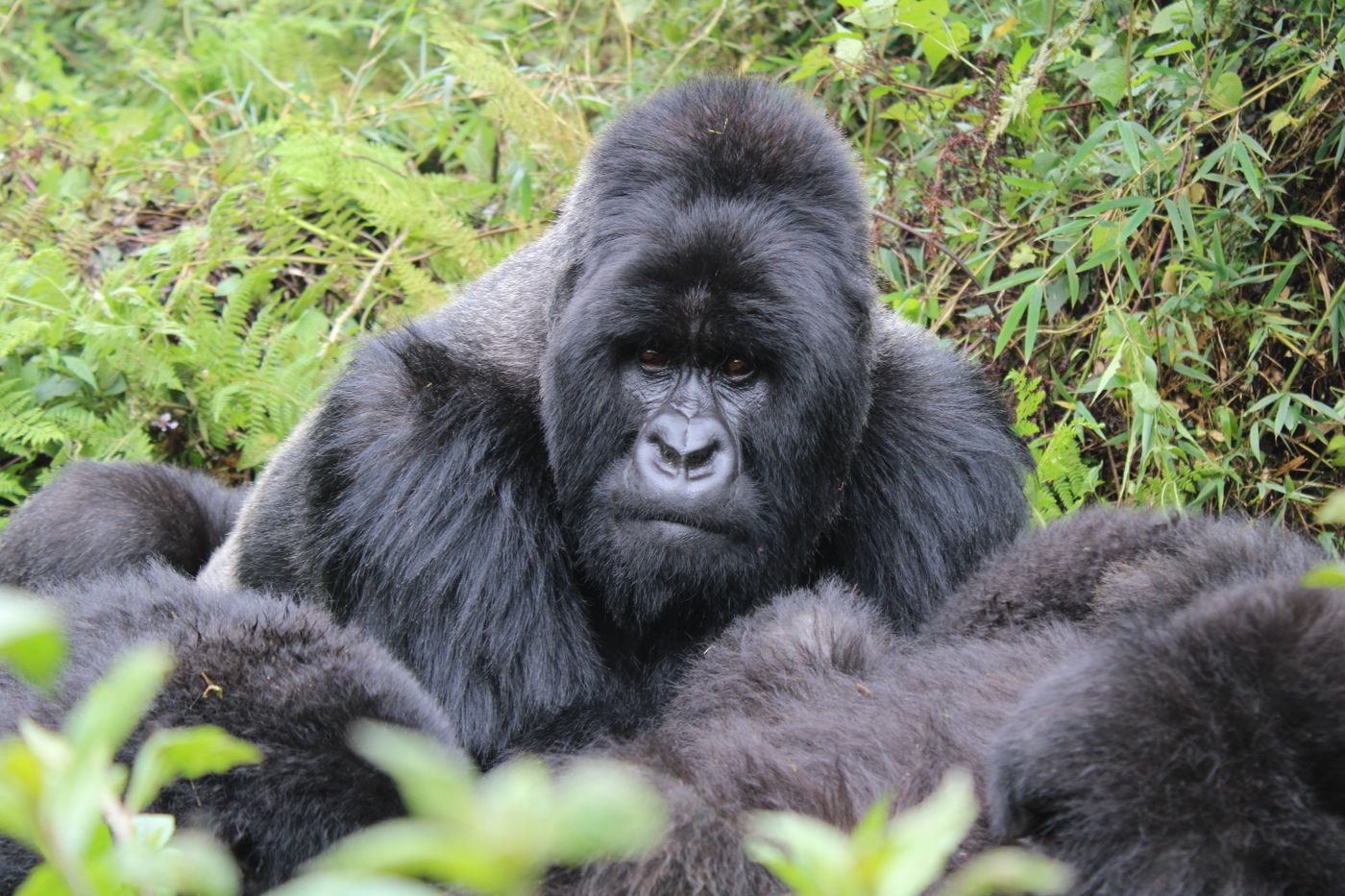
Mountain gorilla trekking is a regulated, guided forest activity available through official park programmes in Uganda and Rwanda. Bwindi, Mgahinga and Volcanoes National Park differ in access and logistics; DRC travel must be assessed separately against current safety advice. No destination guarantees a sighting or permits visitors to disregard ranger-led health and conservation rules.
On this page
Mountain gorillas survive in only two protected landscapes: the Virunga volcano range, which spans Rwanda, Uganda, and the Democratic Republic of the Congo, and the forests of Bwindi and Mgahinga in Uganda. Trekking them is one of the most intense wildlife encounters on the continent, and it is also one of the most tightly regulated.
The experiences below are ranked on the quality of the trekking, the rules that protect the gorillas, the infrastructure around the trek, and how well the money supports conservation and local communities.
1. Volcanoes National Park, Rwanda

Rwanda is widely regarded as the most polished gorilla experience. The park sits on the slopes of the Virunga volcanoes, where habituated gorilla families are followed by trained guides. Trek logistics are well organised, with a pre-trek briefing and clear rules on distance and time. The park has also invested in community revenue sharing, which makes it a strong choice for travellers who want their spending to reach local people.
2. Bwindi Impenetrable National Park, Uganda
Bwindi is the most biologically diverse of the gorilla forests and offers a more adventurous experience. Trekking can be steep and muddy, and the forest is dense, so the sense of discovery is strong. Bwindi is divided into several sectors, including Buhoma, Ruhija, and Nkuringo, each with its own gorilla families and lodging options. Choosing a sector with a shorter approach is worth considering if mobility is a concern.
3. Mgahinga Gorilla National Park, Uganda
Mgahinga is the smallest of the three, and it is often combined with Rwanda or Bwindi in a single trip. It has a small gorilla family, and trekking here is less crowded. The park is also a good base for climbing the Virunga volcanoes and visiting golden monkeys.
Uganda Wildlife Authority identifies Mgahinga as an official trekking location; a visitor should check the availability of permits for the exact proposed date. A smaller park does not guarantee a simpler trail, easier walking conditions or a closer encounter.
4. Virunga National Park, DR Congo
Virunga is the oldest national park in Africa and home to a large share of the world's mountain gorillas. Security conditions have been a serious concern for many years, and travel advice for the region changes frequently. Before considering a visit, check your government's current travel advisory and use only licensed operators who work closely with park authorities.
Security conditions in eastern DRC can materially change the feasibility of visiting Virunga. Consult current official travel advice and park announcements before treating it as an available tourism product; a destination's conservation importance is not an assertion that travel is presently advisable.
What to expect on trekking day
- Trekking groups are small, and each visit is limited to one hour with the gorillas.
- Keep a distance of about seven metres and do not use flash photography.
- Visitors who are unwell, including with a cold or cough, are not permitted to trek, because gorillas are vulnerable to human diseases.
- Permit fees are set by park authorities and change over time, so confirm current prices before you book.
- Most parks set a minimum age for trekkers, often around 15.
How to choose
Choose Rwanda for ease and reliability, Bwindi for a rugged forest experience, and Mgahinga for a quieter trip that pairs well with volcano hiking. Book permits early, since they sell out, and allow at least two to three days in the region so that a missed or cancelled trek does not end your trip.
Gorilla trekking is different from a vehicle safari
Mountain gorilla trekking is a guided forest experience undertaken on foot, usually in steep or uneven terrain. It should not be compared directly with a game drive in an open savanna park. The goal is to observe habituated animals with rangers and trackers, not to seek unrestricted access. Uganda Wildlife Authority says trekking at Bwindi and Mgahinga may last several hours, with a limited observation period when a family is located. Travellers need to consider fitness, weather, permits, health precautions and the ethics of close wildlife encounters. The exact route cannot be selected as casually as a self-drive road itinerary.
Rwanda's Volcanoes National Park
Volcanoes National Park is a well-known mountain-gorilla trekking destination in Rwanda's Virunga landscape. Its practical appeal for some travellers is the possibility of combining a gorilla-focused itinerary with time elsewhere in Rwanda. However, it is not automatically a low-effort excursion. Treks can involve difficult forest trails and changing weather; visitors must follow ranger instructions and official permit rules. The value of a Rwanda itinerary depends on total travel costs, accommodation, transfer arrangements and personal preferences. Verify current permit pricing with Rwanda's tourism authority, rather than relying on rates copied from old travel articles.
Bwindi: forest diversity and several sectors
UNESCO describes Bwindi as an exceptionally biodiverse forest and an important habitat for mountain gorillas. Uganda Wildlife Authority identifies several trekking sectors, including Buhoma, Ruhija, Rushaga and Nkuringo. These areas are not interchangeable drop-off points: where you sleep, which sector your permit covers and how you travel can dramatically change the itinerary. The forest setting can be wet, muddy and physically demanding, so plan suitable footwear, clothing and walking assistance if offered locally. Travellers should expect wildlife conditions rather than scripted performances, and discuss physical limitations honestly with the operator before committing to a date.
Mgahinga: a smaller alternative
Mgahinga Gorilla National Park is another official Uganda Wildlife Authority trekking destination in the Virunga Mountains. It offers a different setting from Bwindi, though availability and trekking arrangements need to be confirmed with the authority and your licensed organiser. A smaller destination is not automatically quieter on any particular day, and permits and habituated groups are limited. Accommodation and transfer logistics can matter as much as the forest encounter. Readers comparing options should ask how each location fits the rest of a Uganda itinerary and whether travel time erases the apparent convenience of a short trekking programme.
Virunga in DRC: treat security as a separate gate
The Virunga region of the Democratic Republic of Congo has an important conservation history, but travel suitability must never be inferred solely from the existence of gorilla habitat. Official operations, visitor access, health requirements and security conditions can change. No article should imply that a particular trek is currently running or safe without checking the operator and the relevant government travel advisories for the exact dates. Travellers considering DRC must treat official restrictions as a primary decision point, not as a footnote to a picturesque forest description. Where official access is suspended, do not attempt unofficial routes.
Permits, seasons and booking strategy
A gorilla permit is generally specific to a park, date and regulated activity; a lodge reservation does not by itself secure trekking permission. Book through official authority channels or reputable authorised operators, then confirm identity requirements, changes and cancellation conditions. Forest rain is possible at different times of year, and a broad 'dry season' label does not eliminate slippery trails. Good planning leaves enough time for transfers and avoids tight onward flights immediately after strenuous activity. Budget the full experience: permit, park transfer, guiding arrangements, accommodation, porter services where appropriate, and personal travel protection.
Health and welfare at close range
Gorillas are vulnerable to diseases that humans can transmit. Rangers may enforce rules about distance, symptoms, face coverings and time spent near a group. Follow the current instructions, even when they differ from what another traveller reported online. Never touch a gorilla, feed it, leave litter or attempt to approach independently. A guide's request to move back protects both people and animals. Anyone feeling ill should contact the organiser before the trek and follow the official illness policy rather than risking the group to avoid losing a booked activity. Wildlife welfare is part of the reason these encounters are tightly controlled.
Fitness and terrain
The difficulty of a trek depends on the actual location of a habituated group, weather, slopes, trail conditions and the physical capabilities of the participants. Some days may be shorter, but no prospective visitor should assume a gentle walk. Communicate mobility limitations early so the authority or operator can explain available arrangements honestly. Wear shoes with grip, carry water and rain protection, and bring only what you can comfortably manage. Porters can help with equipment and support local employment, subject to local practice. Wildlife observation is a privilege, not a reason to disregard personal safety or ranger direction.
Which trekking destination should you choose?
Choose based on the legal availability of permits, travel advisories, budget, total route and the quality of the operator's arrangements. Bwindi offers multiple sectors, Mgahinga a separate Ugandan setting, and Volcanoes National Park an option in Rwanda. DRC access requires particular caution and up-to-date authoritative confirmation. Avoid claims that any location guarantees closer viewing or a more photogenic family. The same principles apply to photographs: flash and close approaches may be restricted. The strongest itinerary is the one that allows a safe, respectful, well-organised experience with appropriate conservation contributions.
How this comparison was made
The numbered destinations are described through official conservation and park records, practical travel considerations and the limitations of wildlife tourism. We have not invented a universal trek-success rate, permit price or fitness rating. Conditions in DRC can alter whether a location should be considered at all. UNESCO supports the conservation context for Bwindi; Uganda Wildlife Authority describes Uganda's authorised trekking areas. Readers should confirm day-of-travel rules from official bodies. This guide is informational, not a guarantee of trekking access, wildlife encounters or travel safety.
A permit does not remove the need for sensible planning
Gorilla trekking packages can involve difficult roads, early starts, steep walking and rules that are not obvious from booking photographs. Before paying, identify which authority issues the permit, which park and sector it covers, what happens if the activity is unavailable, and how your accommodation relates to the meeting point. A reliable operator explains luggage requirements, mobility issues, personal health restrictions and possible itinerary disruption. Travellers should avoid making a strenuous trek the only planned activity between an international arrival and a tightly timed onward flight. A little flexibility can substantially reduce the risk of missing a costly opportunity.
Conservation restrictions are part of the experience
Rangers are not merely guides locating a group; they also enforce measures intended to protect wild primates and their habitat. If they restrict distance, time with the animals, photography or participation by an ill visitor, those decisions should take priority over the value of a permit. UNESCO documents the ecological importance of Bwindi, including the wider forest environment beyond its gorilla population. Paying attention to forest biodiversity, local communities and responsible tourism makes the experience richer while reducing the temptation to focus exclusively on a close-up photograph. Wild animal welfare must always outweigh the pressure to provide a spectacle.
Official and conservation sources
UNESCO — Bwindi forest and gorilla habitat
Uganda Wildlife Authority — gorilla tracking
Uganda Wildlife Authority — Bwindi
Frequently asked questions
Where can you trek mountain gorillas in Africa?
Mountain gorillas can be trekked in Rwanda (Volcanoes National Park), Uganda (Bwindi Impenetrable and Mgahinga Gorilla national parks), and the Democratic Republic of the Congo (Virunga National Park). Check current travel advice for the DR Congo before planning.
Is gorilla trekking safe for beginners?
Yes, as long as you are reasonably fit. Treks can involve steep, muddy terrain and may last several hours to reach the gorillas. Guides can adjust the difficulty by assigning you to an easier family when available.
How far away must you stay from gorillas?
Visitors are asked to keep a distance of about seven metres, and to stay in the group with the guide. This protects gorillas from disease and keeps the animals calm.
Is gorilla trekking guaranteed?
Wild animal encounters are not guaranteed. Follow the official programme and ask about the current operator's arrangements.
Can I trek when I am ill?
You must follow current ranger and park illness restrictions; diseases can pass between people and gorillas. Contact the permit provider before travelling.
Key facts
Select a fact to read its supporting reference.
-
Verified
-
Verified
-
Verified
-
Verified
Methodology and limits
Destination comparison uses official park access, conservation context and practical logistics. Security and permit eligibility are date-sensitive; no encounter probability is invented.
Research references and access dates
The linked key facts above point directly to their supporting references. The full research register is available for checking.
- UNESCO — Bwindi forest and gorilla habitat UNESCO · Accessed 2026-11-02
- Uganda Wildlife Authority — gorilla tracking Uganda Wildlife Authority · Accessed 2026-11-02
- Uganda Wildlife Authority — Bwindi Uganda Wildlife Authority · Accessed 2026-11-02
- UK government — DRC travel advice UK government · Accessed 2026-11-02
- Uganda Wildlife Authority — homepage Uganda Wildlife Authority · Accessed 2026-11-02
Last verified 2026-11-01 · Reviewed by AR Team
Explore more Wildlife & Safaris